
Dental caps, or porcelain crowns, are tooth-shaped restorations that are placed over decayed or broken teeth to restore their strength, appearance, and functionality. Because these crowns are manufactured to order, they will perfectly fit in with the normal dentition by mimicking the size, color, and shape of natural teeth.
Did you know… Porcelain crowns improve smiles and restore broken teeth, among other uses.

It is well known that porcelain crowns may accurately replicate the appearance of natural teeth. Because porcelain is translucent, it blends in seamlessly with surrounding teeth because it has qualities that are similar to those of natural enamel. Because porcelain crowns mimic the color, shape, and texture of surrounding teeth, they create a harmonious and realistic-looking grin.
The main components of porcelain crowns, dental porcelain, and zirconia, are biocompatible and well-tolerated by oral tissues. Porcelain crowns are a good option for patients with metal sensitivities or allergies because they don't contain nickel or other allergic metals like metal-based restorations do. Porcelain crowns are biocompatible, which reduces the possibility of negative responses or inflammation and supports long-term oral health. We offer the same biocompatible porcelain crowns in Secaucus, ensuring patients in both locations can enjoy metal-free dental restorations.
Porcelain crowns are incredibly strong and durable, able to withstand the forces of chewing and biting despite their natural appearance. High-density zirconia and lithium disilicate are two examples of advanced ceramic materials that improve the structural integrity of porcelain crowns and lower the chance of chipping or fracture. Porcelain-fused-to-metal (PFM) crowns are a durable option for posterior tooth restoration because they combine the strength of metal substructures with the aesthetic advantages of porcelain.
When it comes to the preparation stage, porcelain crowns require less tooth structure removal than regular dental crowns. Long-term dental health and vitality are promoted by the conservative approach to tooth preparation, which maintains healthy tooth enamel. Porcelain crowns avoid potential difficulties by preserving more of the native tooth structure, giving the restoration a firmer basis.
Every porcelain crown is created specifically to fit the individual dental and oral anatomy of the patient. Dentists create porcelain crowns with unmatched accuracy and precision by using CAD/CAM technology and sophisticated digital imaging. Customization enables exact color, shape, and size alterations, guaranteeing an ideal fit and aesthetically pleasing outcome catered to the patient's preferences and facial traits.
The procedure starts with a thorough examination and consultation in which the dentist evaluates the patient's oral health and goes over possible courses of action.
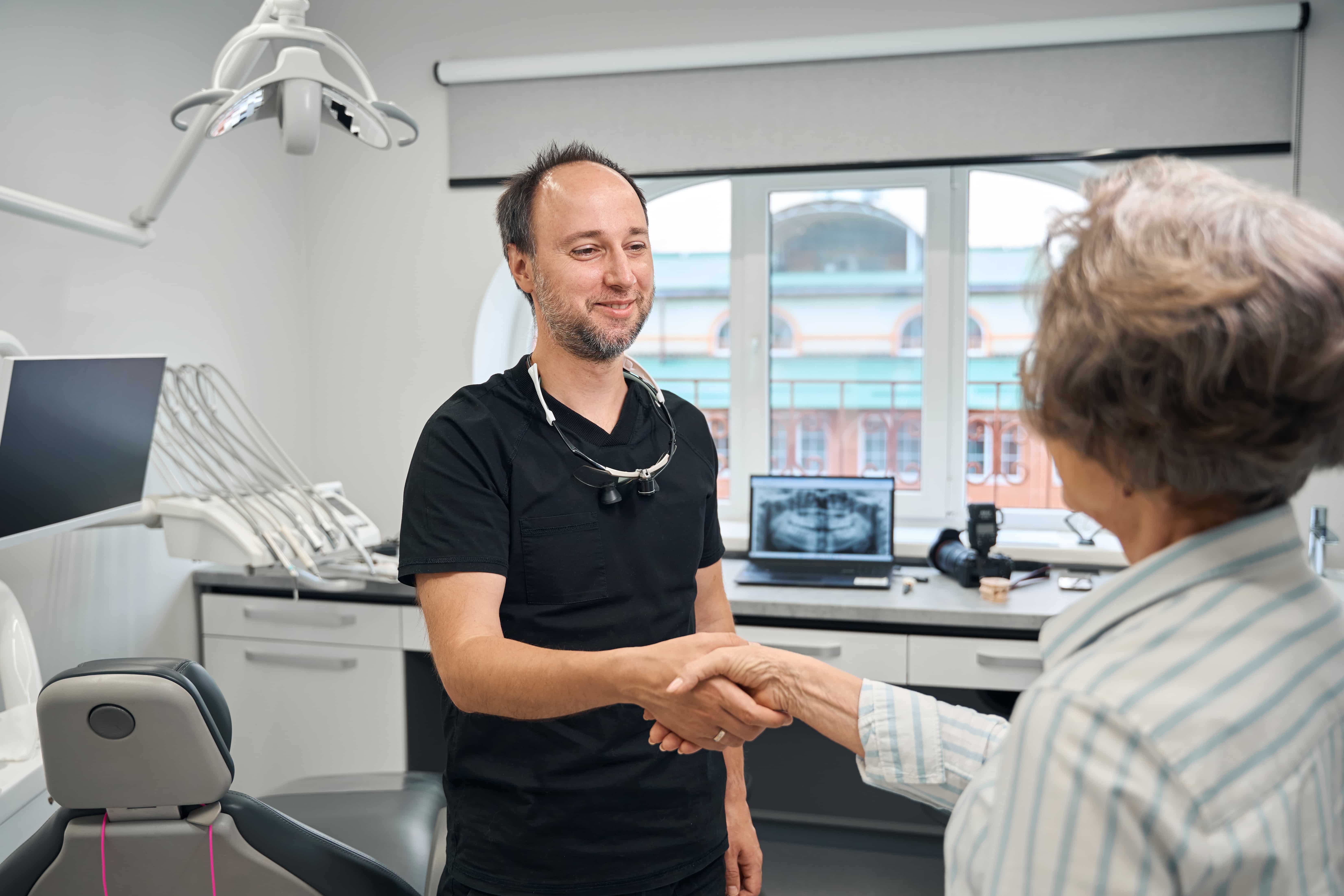
The damaged tooth is filed down and reshaped under local anesthesia to make room for the porcelain crown.
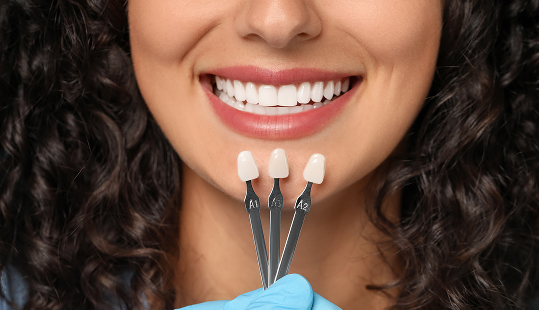
To create a porcelain crown that is specifically tailored to the patient's dentition, impressions of the prepared tooth and any nearby teeth are taken.
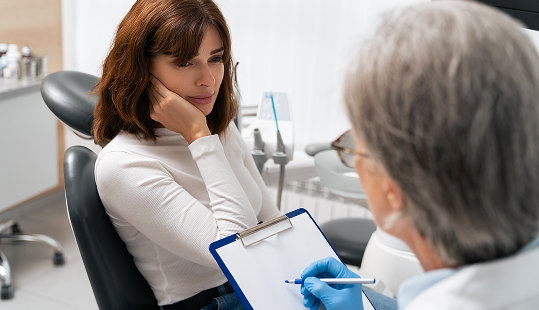
To protect the prepared tooth while the permanent crown is being made in the dental laboratory, a temporary crown is placed over it.
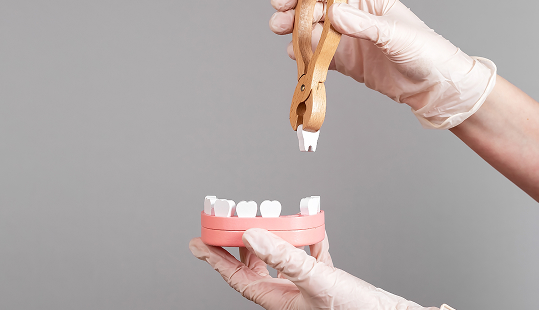
To provide a strong and long-lasting bond, a dental adhesive is used to attach the permanent crown onto the prepared tooth when it is ready.
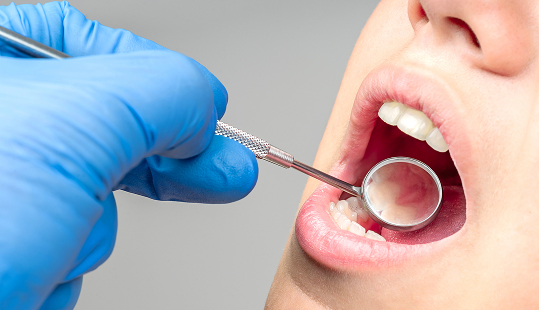
Oral Hygiene: To preserve the health and durability of porcelain crowns, good oral hygiene procedures are crucial. These include frequent brushing, flossing, and mouthwash with antibacterial properties.
Avoiding Hard Meals: Patients should refrain from chewing on tough or sticky meals as they could put undue strain on their crowns and result in damage.
Frequent Dental Examinations: Professional cleanings and routine dental exams help keep an eye on the condition of the porcelain crown and quickly resolve any problems.
Night Guards: Wearing a custom-fitted night guard helps shield porcelain crowns from excessive wear and damage if a patient grinds or clenches their teeth while they sleep.
The epitome of contemporary dental technology, porcelain crowns provide the ideal fusion of form and function. Porcelain crown offers a strong, biocompatible, and natural-looking way to restore teeth that have rotted or been damaged while also improving the smile's overall appearance.
Porcelain crowns are incredibly strong and durable, able to withstand the forces of chewing and biting despite their natural appearance. High-density zirconia and lithium disilicate are two examples of advanced ceramic materials that improve the structural integrity of porcelain crowns and lower the chance of chipping or fracture. Porcelain-fused-to-metal (PFM) crowns are a durable option for posterior tooth restoration because they combine the strength of metal substructures with the aesthetic advantages of porcelain.
Dental porcelain or zirconia are the two main ceramic materials used to make porcelain crowns. These materials mimic the translucency and color of real teeth while providing strength, biocompatibility, and a natural look.
All-Porcelain Crowns: Because of their translucency and realistic appearance, porcelain crowns offer the best cosmetic results. For the restoration of front teeth, they are appropriate.
Porcelain-Fused-to-Metal (PFM) Crowns: These combine the aesthetics of porcelain with the strength of metal. They are frequently used for molars and teeth that are subjected to strong chewing forces.
Zirconia Crowns: Exceptionally strong and aesthetically pleasing, zirconia is a long-lasting and biocompatible material. Zirconia crowns are the best option for the restoration of anterior and posterior teeth.
Did you know… Keeping up with Porcelain Crowns can last up to 30 years.